Porcelain instead of gold
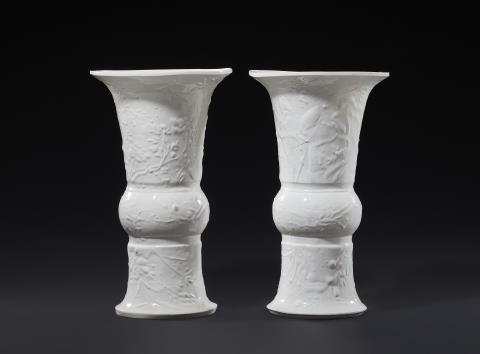
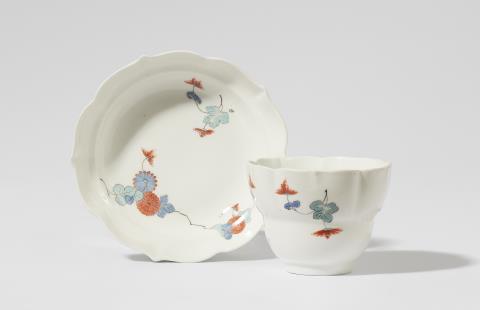
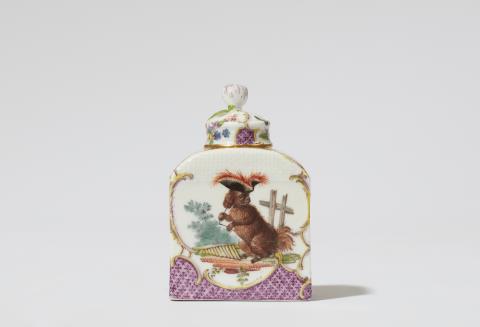
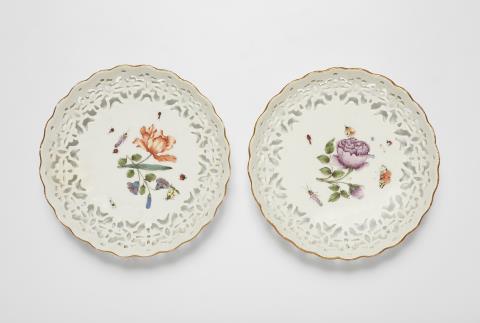
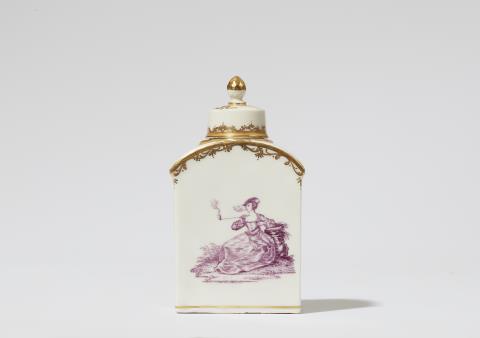
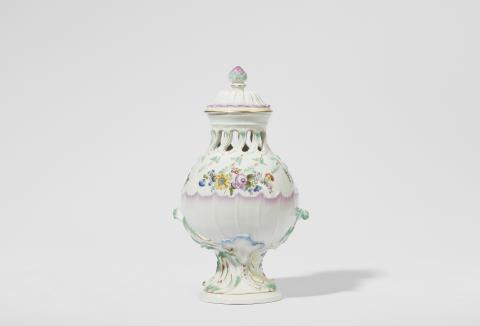
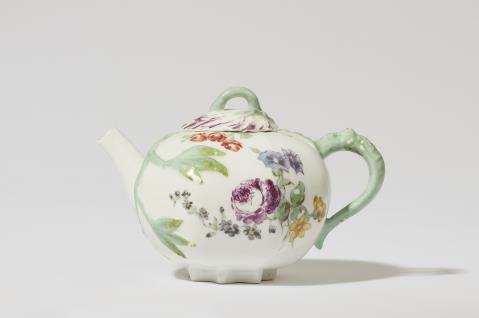
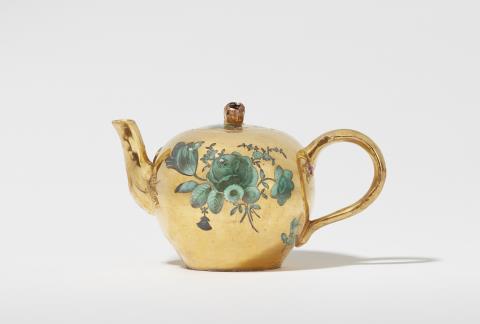
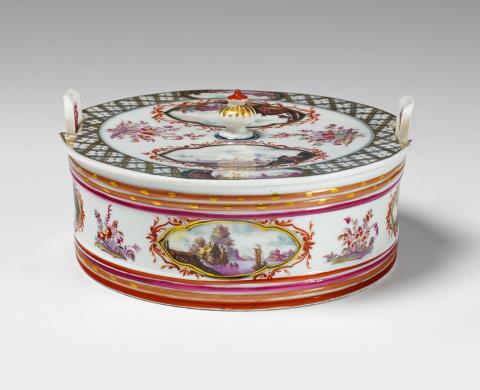
The early porcelain from Meissen had been white, translucent, water-tight and heat-resistant since the founding of the manufactory in 1710, and thus possessed the important properties of real hard porcelain. In the fever of the Baroque spirit of discovery, August the Strong held Johann Friedrich Böttger under house arrest after the latter claimed to be able to create gold. Instead of gold, in 1706/07 he produced a red stoneware, a first very thin European body that could be ground. With the help of kaolin-rich clay, which was discovered in Saxony, Böttger invented European hard porcelain and, in 1790, a glaze that fused inseparably with it. The foundation of the Meissen porcelain manufactory followed in 1710, one of the first industrial operations for the production of the new synthetic material. At the same time, distribution channels were considered and factories for direct sales and warehouses were established. The recipe for the production of the porcelain became a state secret, an ‘arcanum’.
Within just a few years, Böttger’s greenish-yellow, sometimes blistered glaze was refined into a pure white.


(...) Continue readingThe earliest trademark: The crossed swords
In 1720, Meissen porcelain with a cobalt blue underglaze colour was presented for the first time at the Easter Fair. Due to the high kaolin content, a significantly higher firing temperature was required in Meissen than for Chinese porcelain. The blue remained uneven and cloudy for several years, but was nevertheless used from 1722 to place the famous sword mark on the underside of the body. After the arcanist Samuel Stölzel fled to Vienna with the knowledge of the secret recipe and founded another manufactory there, the authenticity of Meissen porcelain was protected by the trademark of the crossed swords. This mark has been upheld for over 300 years, is known worldwide, and speaks for the exceptional quality of the earliest German industrial product.


The great names of Meissen: Hoeroldt, Kirchner, Kaendler
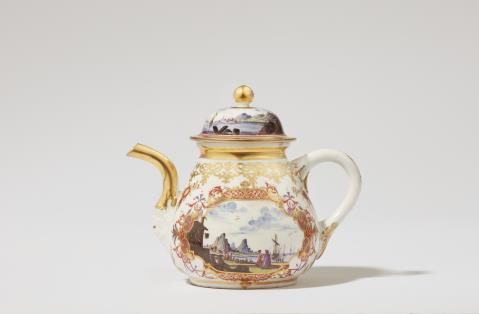
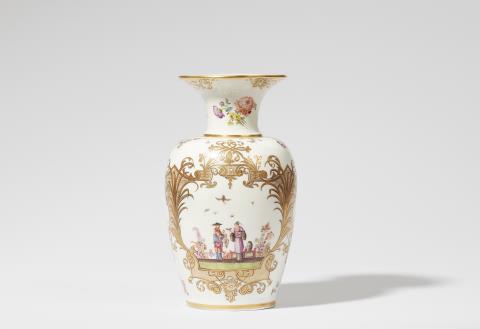
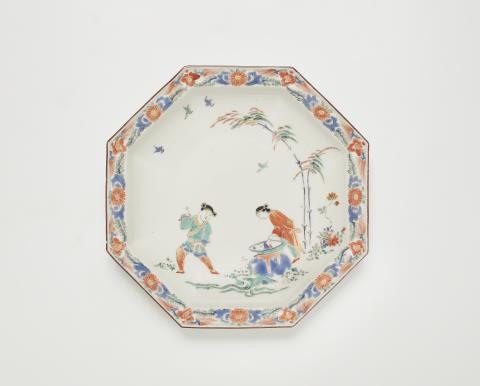
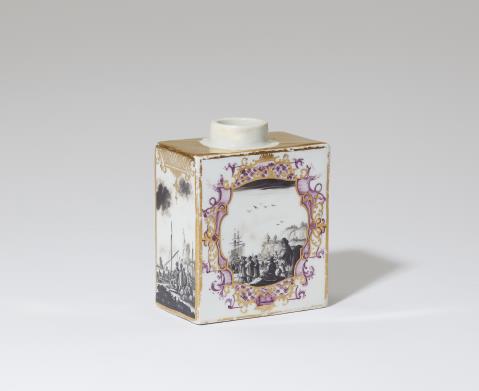
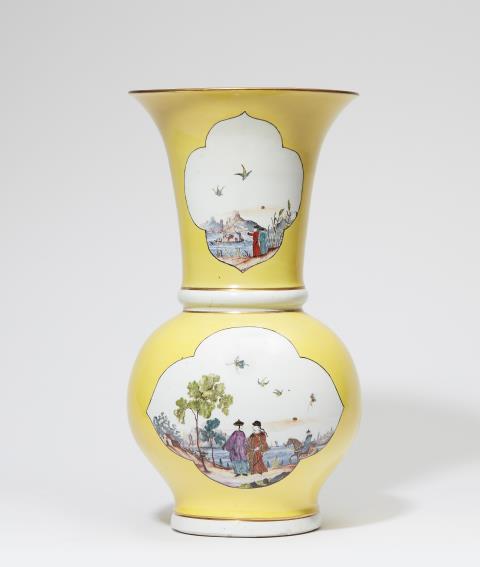
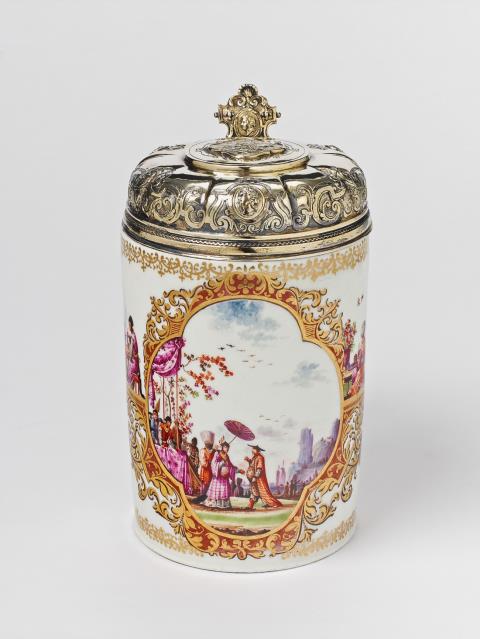
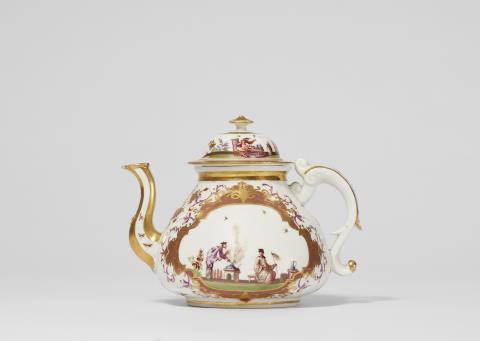
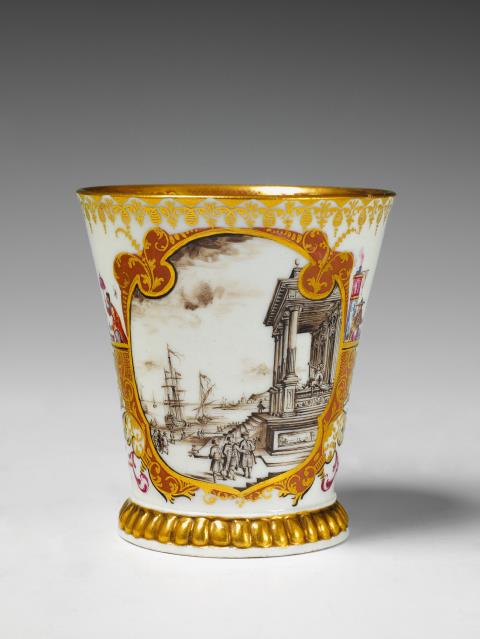
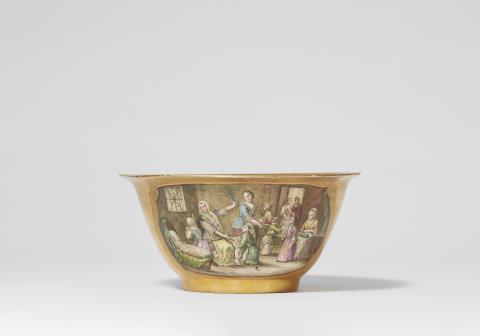
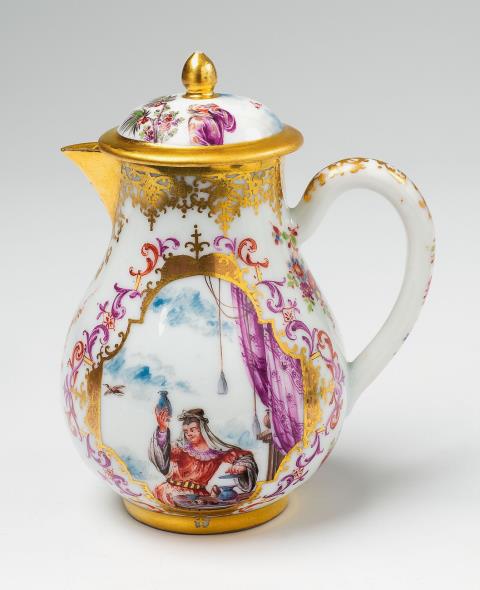
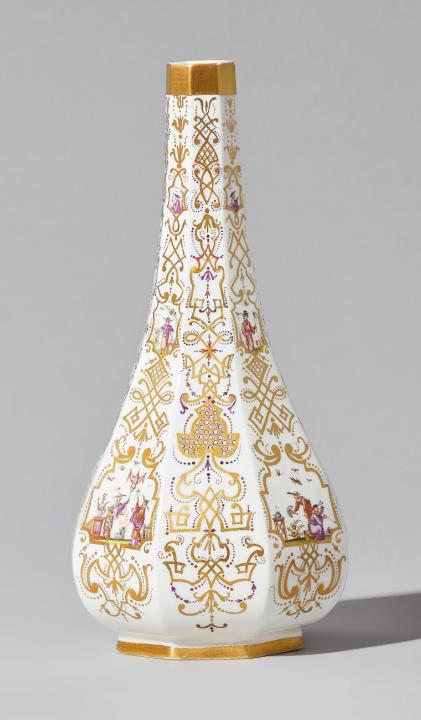
The technical, organisational and, above all, artistic innovations with which Johann Gregorius Hoeroldt shaped the style of European porcelain almost overnight in the early 1720s also represented a milestone. Born in Vienna, the painter succeeded in distinguishing himself from Chinese models, which had influenced European ceramic production as early as the 17th century. His chinoiseries depict a cheerful, imaginative, sometimes grotesque world, characterised by the perception of life at the Chinese court at the time. In Hoeroldt's eyes, the quality of the wares was a question of decoration.


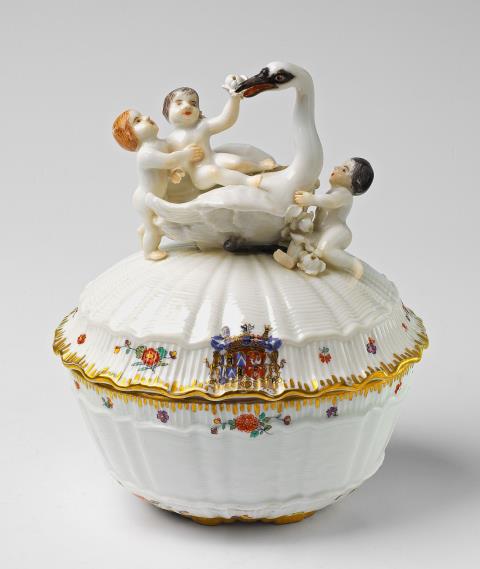
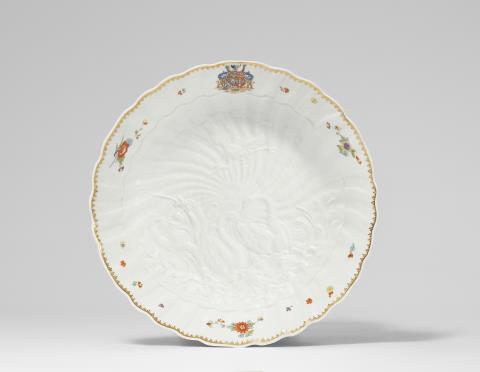
The paradigm shift was brought about by court sculptor and modeller Johann Joachim Kaendler in 1731, when he degraded the painted decoration to that of an accessory to the forms. The impetus for this move was Kaendler's service created for the court official Alexander Sulkowski in 1735, which culminated, nevertheless, in the legendary Swan Service for Heinrich Graf von Brühl.
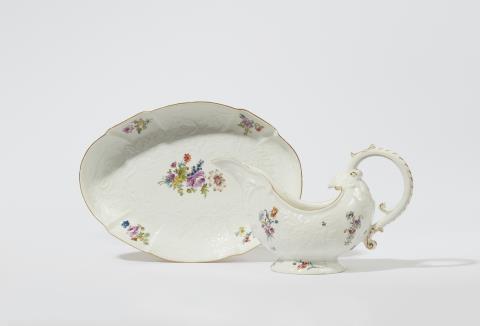
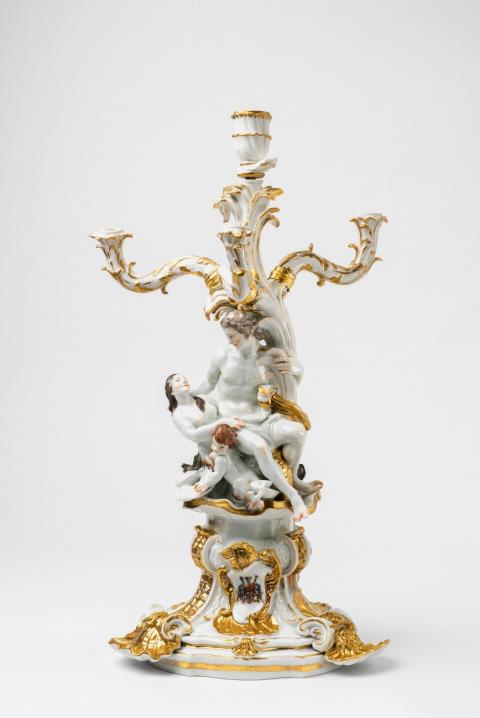
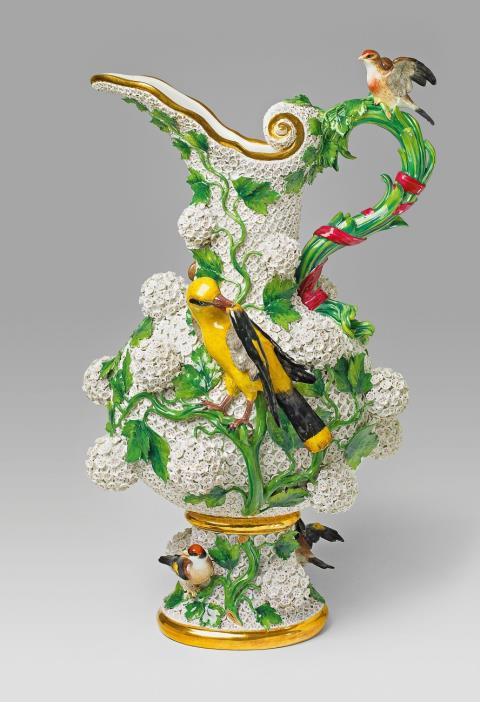
In his capacity as director of the Meissen porcelain manufactory, Brühl ordered a large dinner service which took the manufactory over five years to produce. It is estimated that around 2000 individual pieces were created for the service in this period up to 1741. Every plate and every bowl was decorated with the eponymous white swan motif. In addition to this, Johann Joachim Kaendler and his colleague Johann Friedrich Eberlein created numerous new tableware and figural models with motifs taken from aquatic fauna and flora. Water birds, aquatic plants, shells, sea gods, etc, were used to reference the Brühl (a play on the word Brühl, meaning swampy or watery ground) in honour of the client.
Despite major losses as a result of war, many pieces found their way into international museums and private collections via the art trade and still fetch top prices at auctions today.


The porcelain menagerie of Augustus the Strong
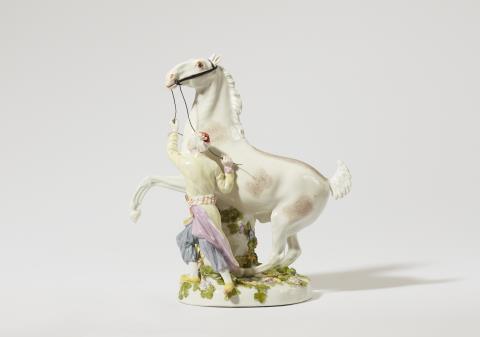
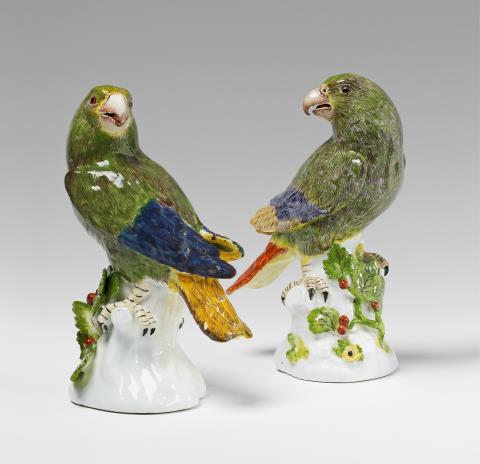
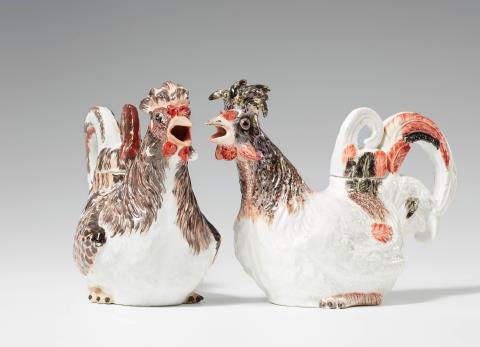
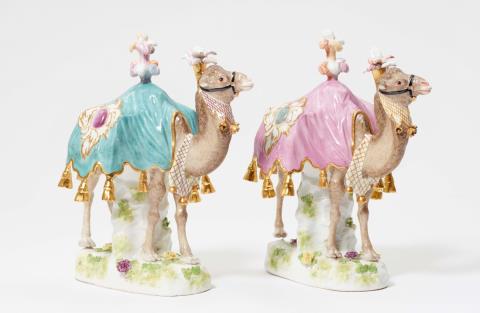
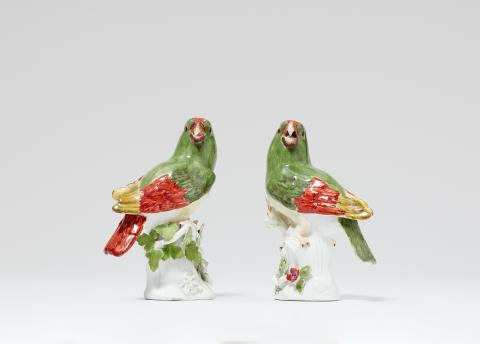
The Saxon Elector and Polish King Augustus the Strong envisioned large animal sculptures for the decoration of his porcelain palace on the banks of the Elbe, the Japanese Palace, which he entrusted to the young sculptor Johann Joachim Kaendler, assisted by a second modeler, Johann Gottlieb Kirchner. The prince shared his interest in zoology with many rulers of his time, but the sometimes-life-size versions in precious porcelain were to take the breath away of his contemporaries.
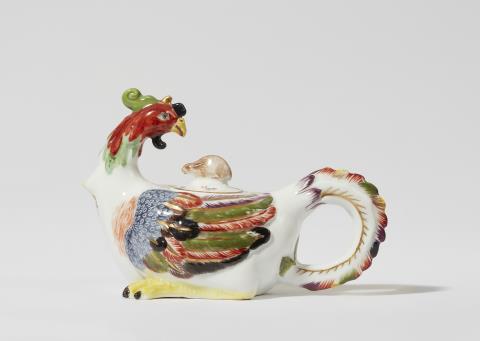
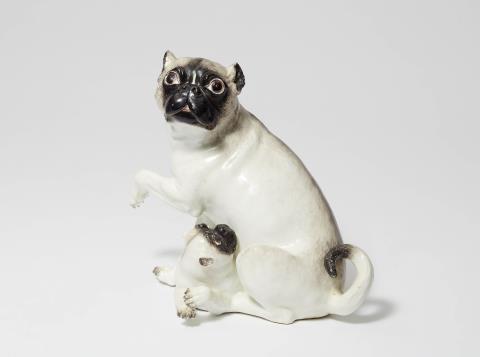
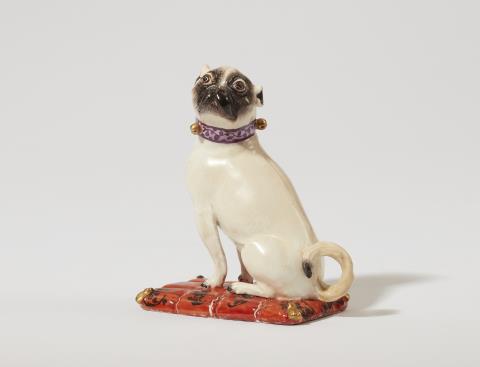
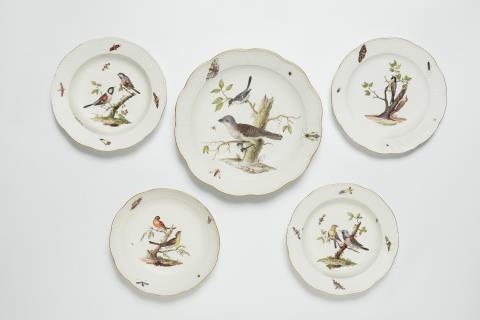
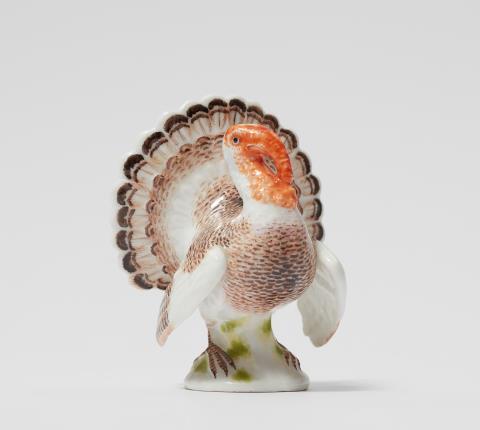
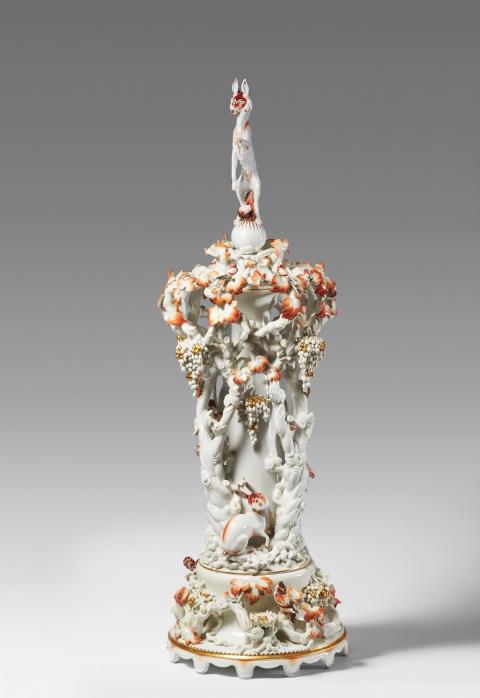
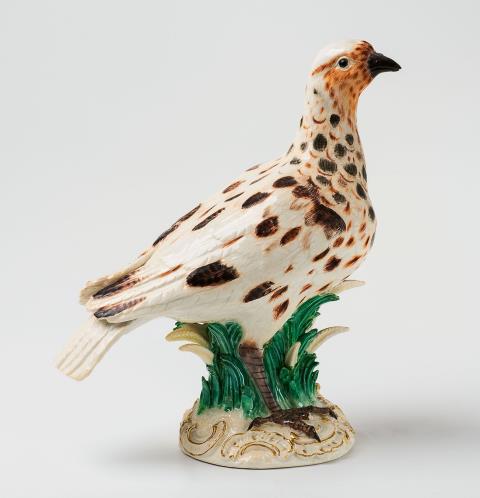
Kaendler strove for an extremely naturalistic depiction that not only reproduced the external features, but also the posture and expression of the animals as authentically as possible. For this, he spent weeks studying both stuffed and live animals in the zoo at Moritzburg Castle. Kirchner's models were still more in the Baroque style and the animals appeared anthropomorphic. By the time of Augustus the Strong's death in 1733, both sculptors had produced models for 37 quadrupeds and 32 bird species. By 1736, well over 500 pieces had been fired and delivered. Not only was it necessary to construct new kilns for this enormous production, but a special porcelain material and special statics were also required. After firing, many animals were refined with cold painting or enamel colours, although the majority have been handed down to us in white.


Court world ‘en miniature’
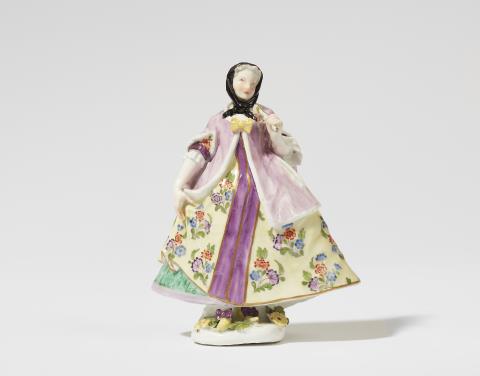
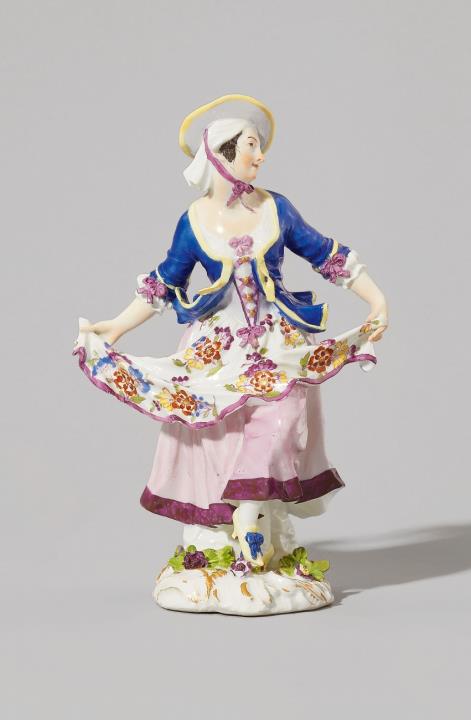
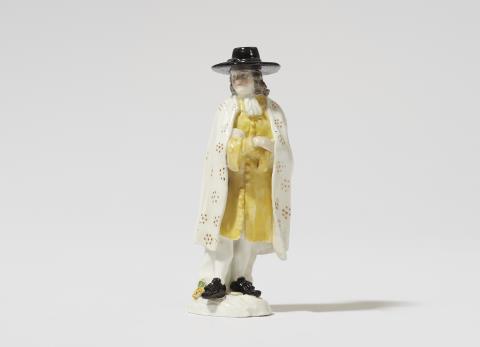
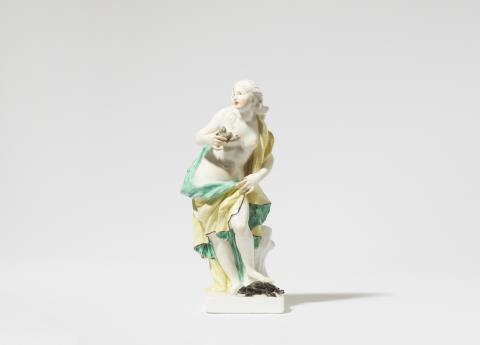
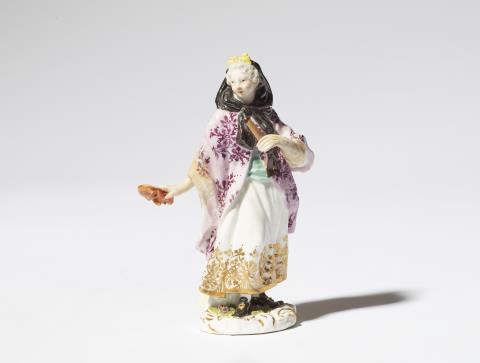
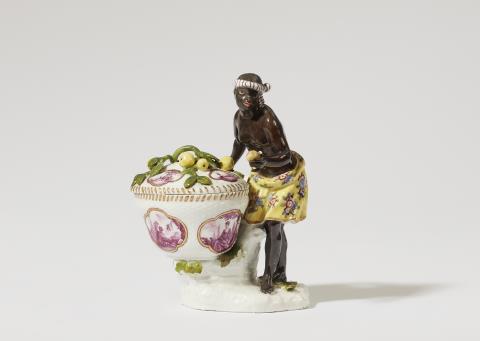
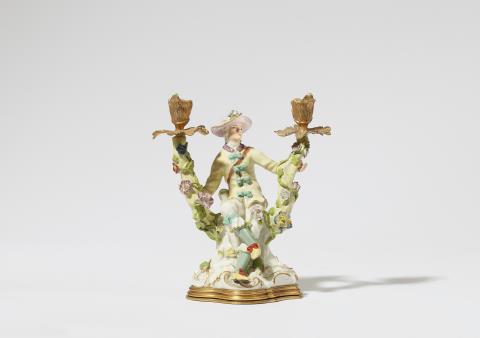
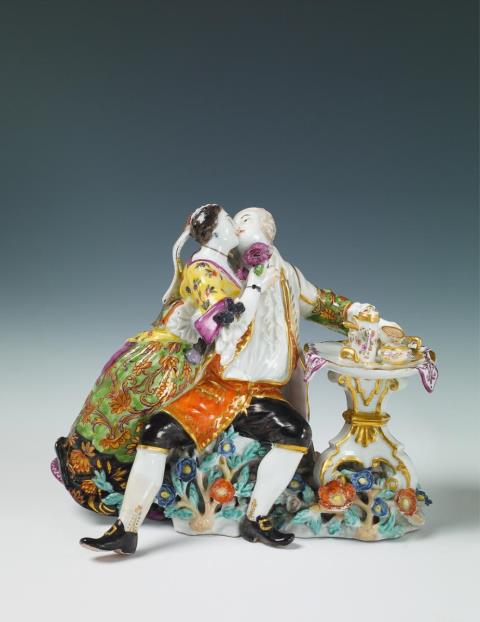
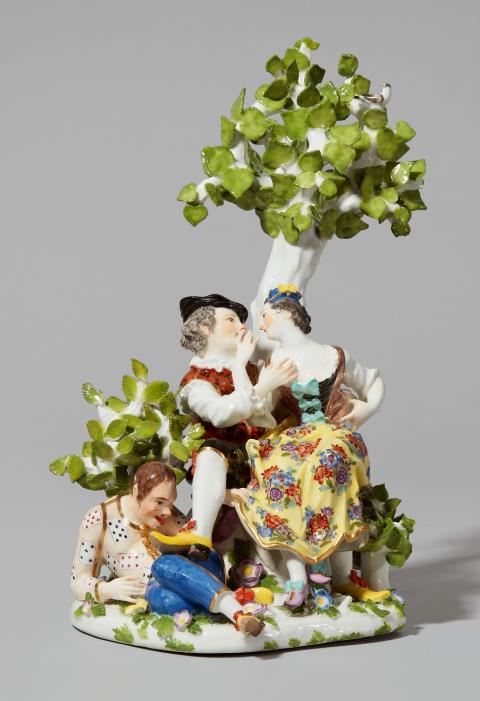
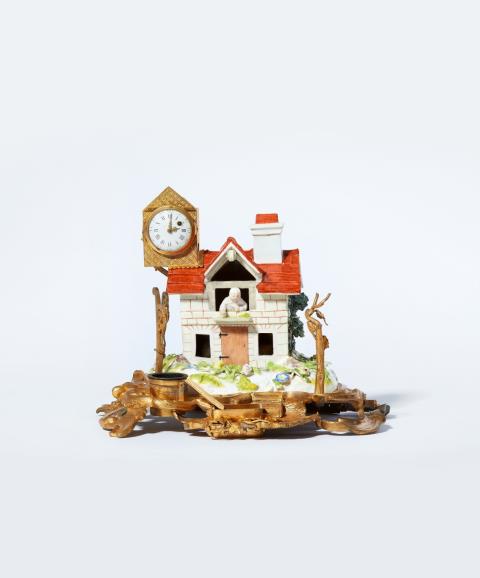
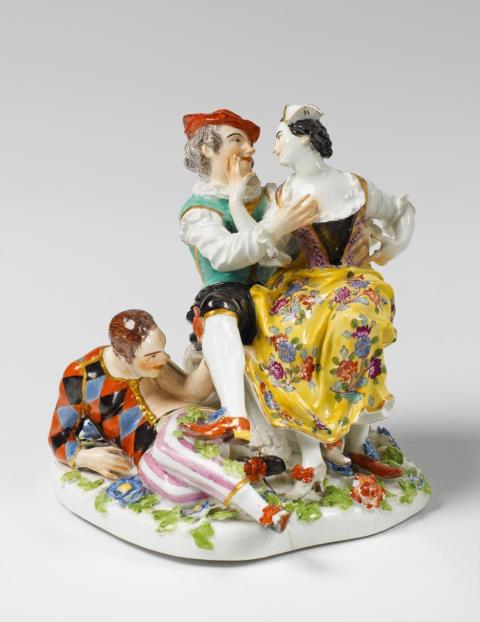
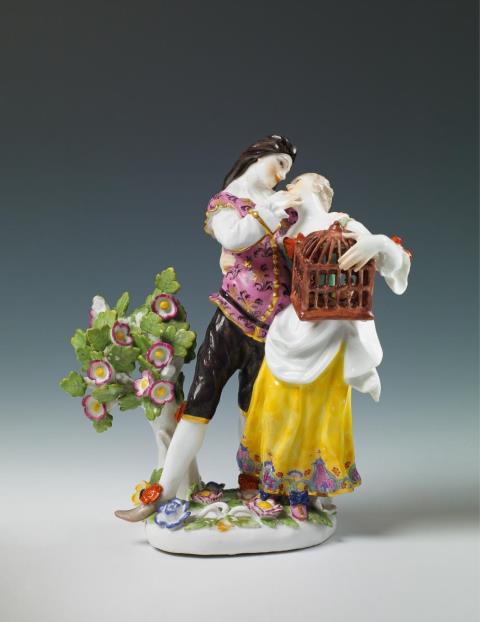
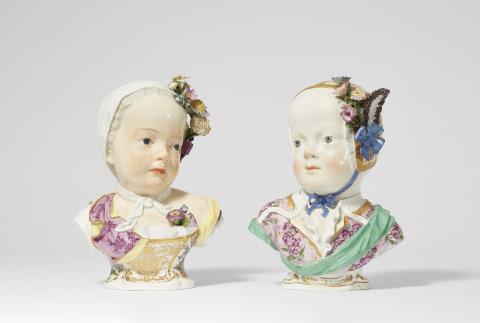
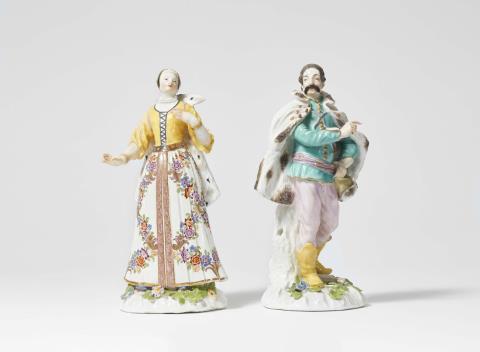
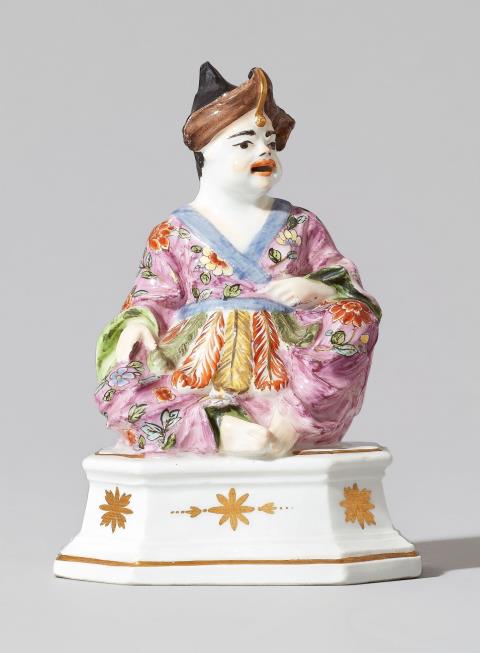
Meissen production in Johann Joachim Kaendler's era, however, is directly associated with the small porcelain treasures that served as table decorations. His work report provides us with information about the modelling of hundreds of small groups that depict the world of the commissioners, the nobility, in miniature. He created courtly lovers and figures in the costumes of festive occasions, comedians, gardener couples, chinoiseries, people from foreign cultures and even bourgeois professional figures. Johann Friedrich Eberlein and Peter Reinicke also worked in Kaendler's workshop, with whom he realised larger series. Johann Joachim Kaendler is considered the most talented and important porcelain sculptor of the 18th century. His creations were copied and reinterpreted in many later manufactories. He himself knew no rest; he worked tirelessly on his ideas, even in the evenings and at night, as recorded in his log of after-work activities.


Tableware for the European aristocracy
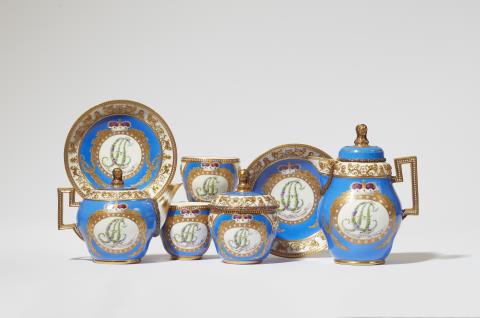
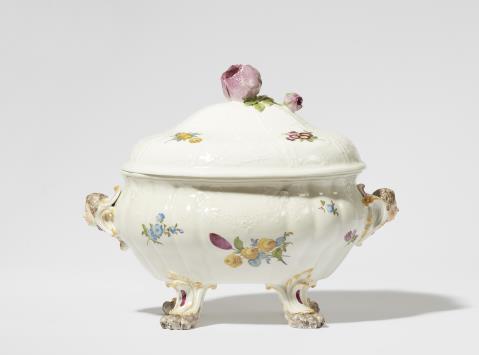
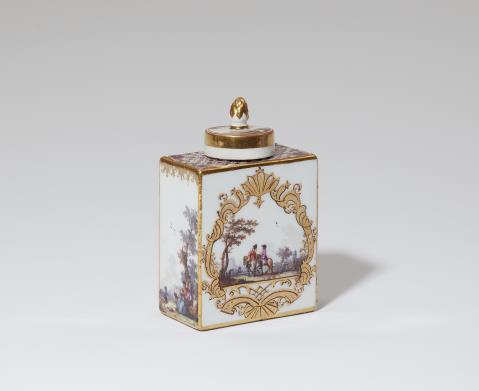
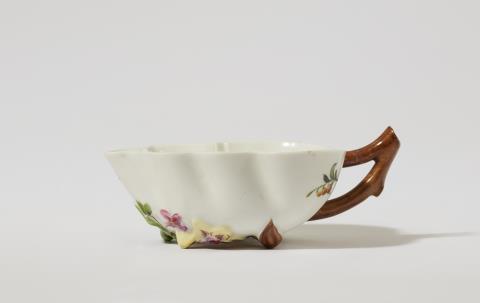
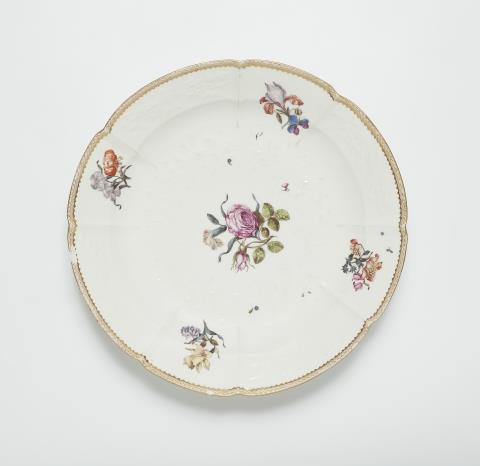
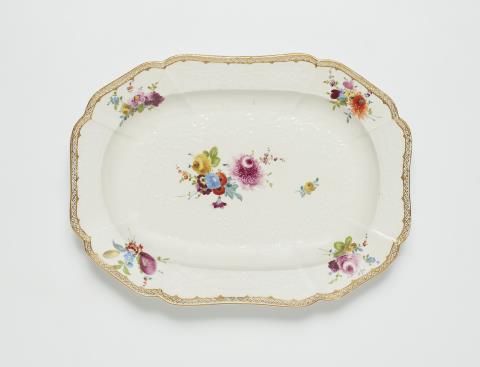
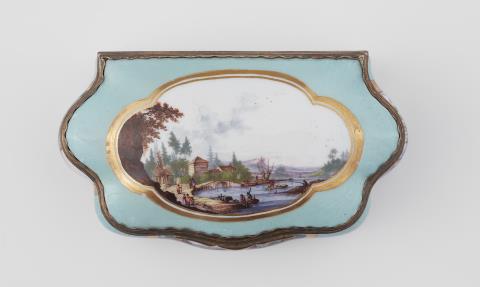
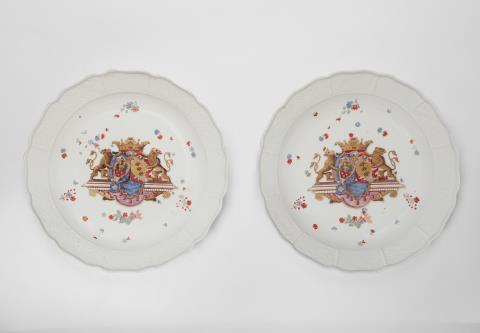
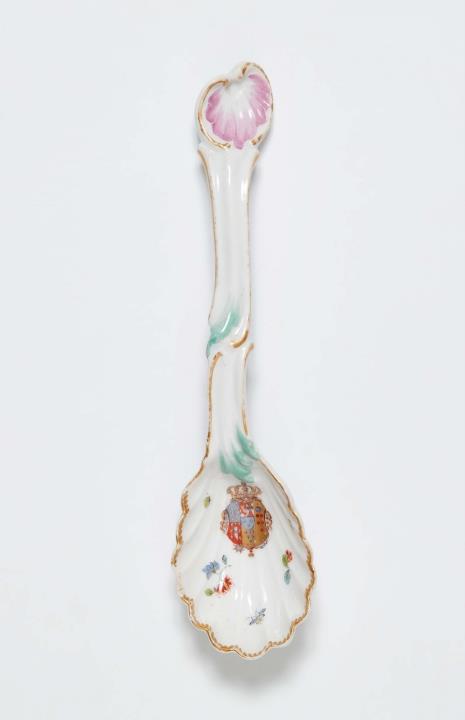
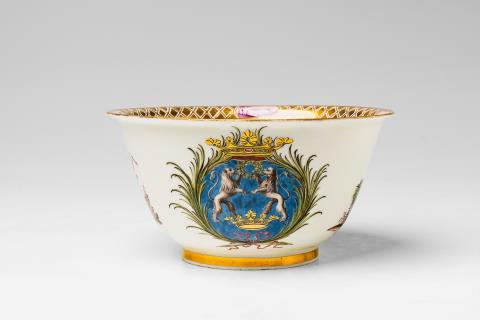
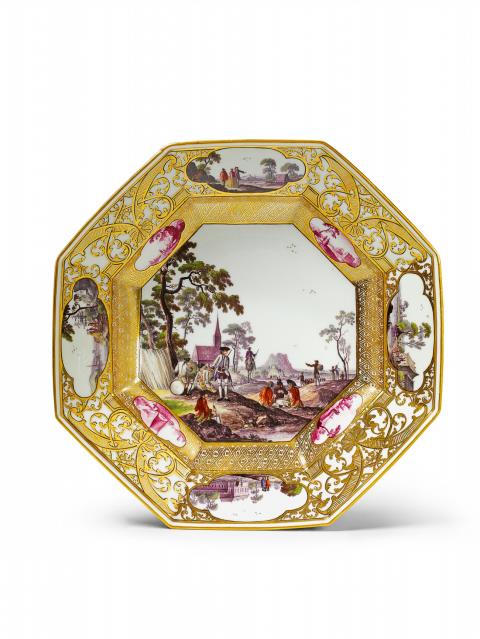
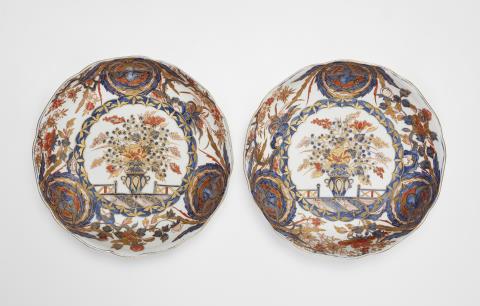
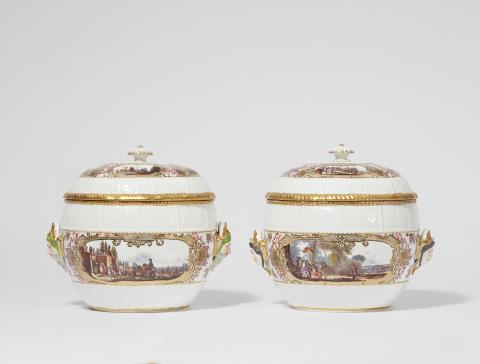
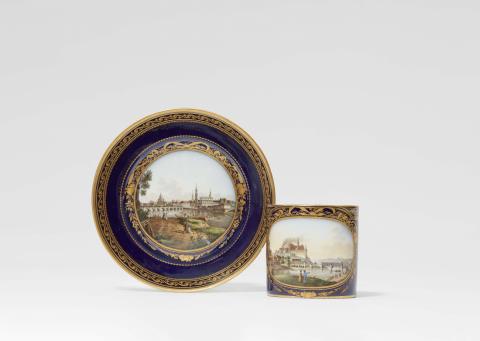
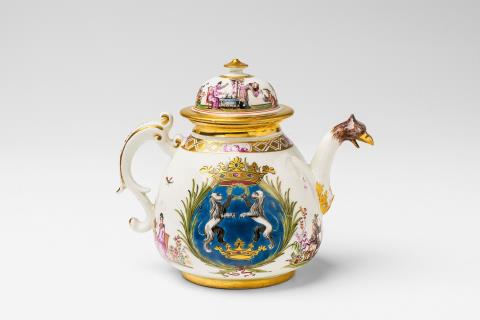
From 1730, the East Asian models lost importance at Meissen. New inspiration for decorations was provided by prints, which were acquired in large quantities by the Meissen manufactory, including those based on paintings by Watteau and Lancret. The famous ‘Green Watteau Service’ was produced for the wedding of a Saxon princess to Charles IV, King of Sardinia, with each piece of tableware decorated with figural scenes in copper-green camaieu painting. In the 1740s, diplomatic gifts were sent to numerous European courts and to the Vatican, always painted with the corresponding coat of arms. The Prussian King Frederick II also fell in love with Meissen porcelain, and he ordered several services with precise details of the decoration. The coat of arms was conspicuously absent in his orders as he was interested in table settings that matched the décor of the room.


Meissen as a world cultural heritage site?
The Meissen porcelain manufactory at Albrechtsburg laid the foundations for porcelain production in Europe in terms of both technology and design. Manufactories in Vienna, Sèvres, Berlin, etc, followed on from the breakthrough in Saxony. Whether the ‘Sites of Meissen Porcelain’ will also be honoured with the title of UNESCO World Heritage Site has not yet been decided. The fact that Meissen's products from the 18th century are of great cultural and historical importance is reflected not only in the fascination with which the objects are received in museums around the world, but also in an international buyer's market.
Selling porcelain at Lempertz
In recent years, Kunsthaus Lempertz has established itself as the most important trading centre for European porcelain. Objects from the 18th century, the early period of European porcelain, in particular, can be found regularly in our auctions. For a non-binding estimate, please contact our Porcelain/Arts and Crafts department in Cologne or Kunsthaus Lempertz
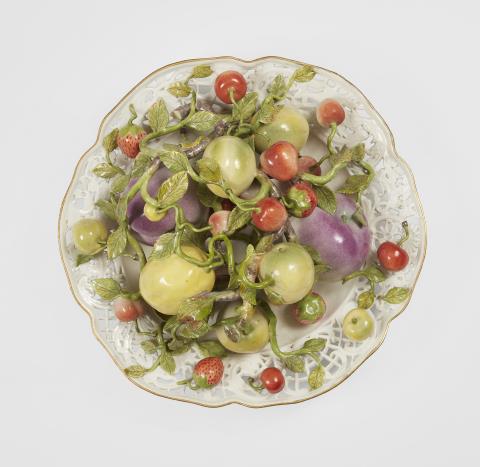
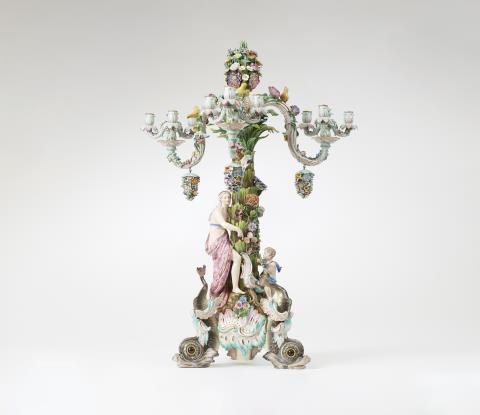
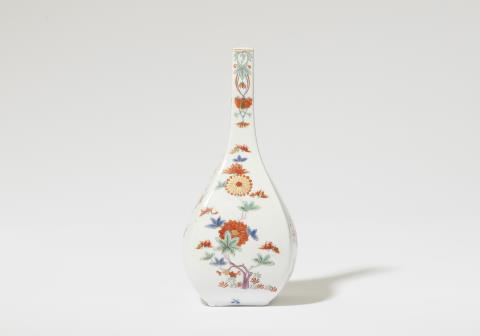
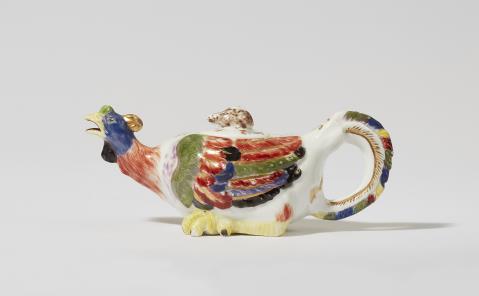
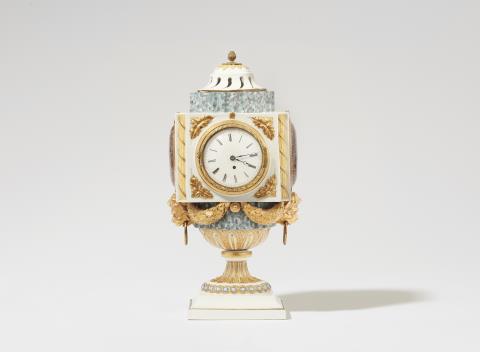
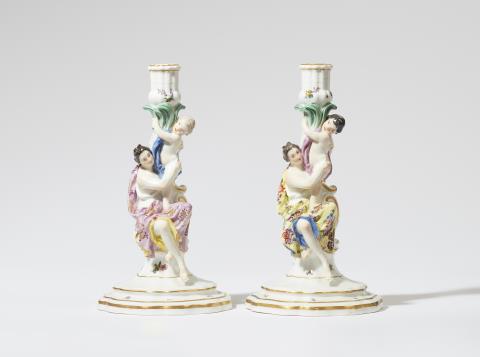
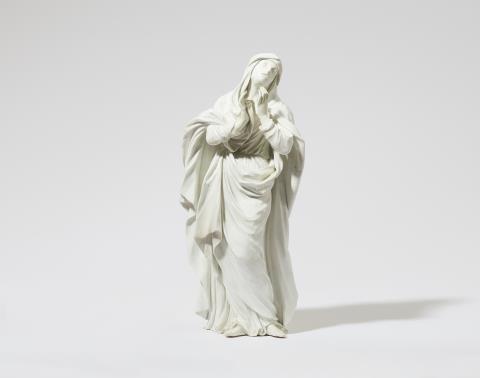
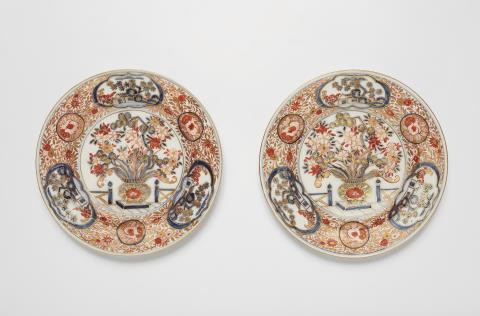
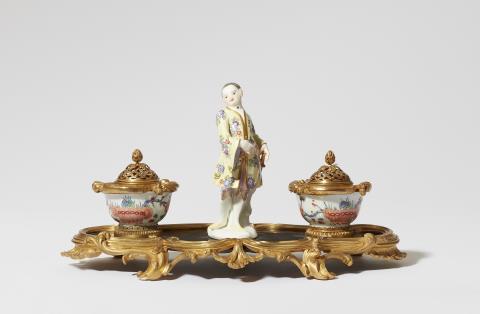
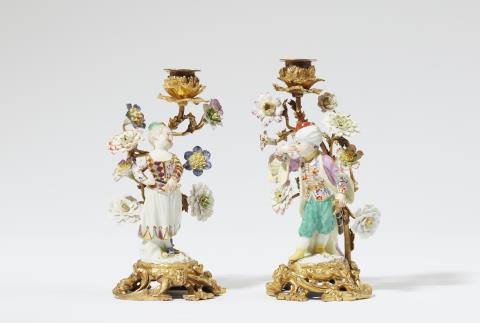
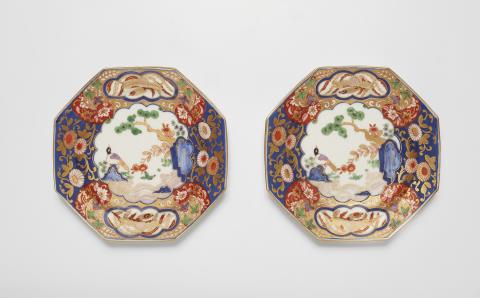
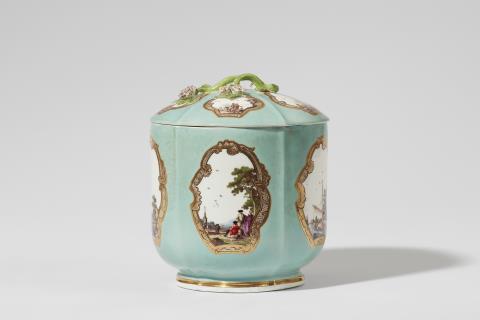
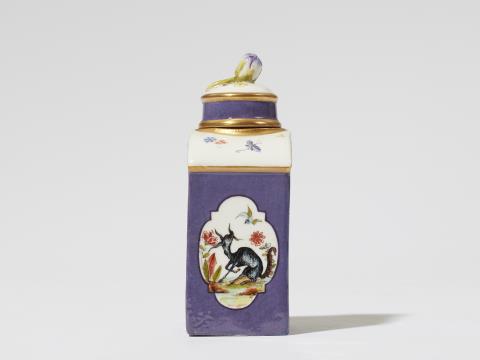
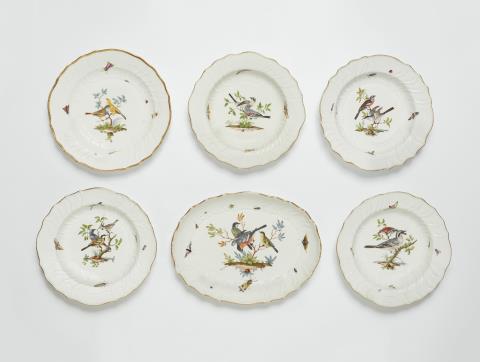
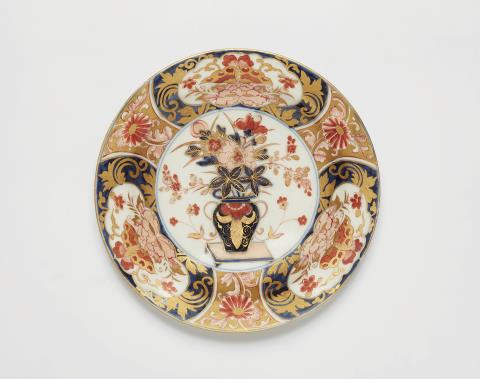
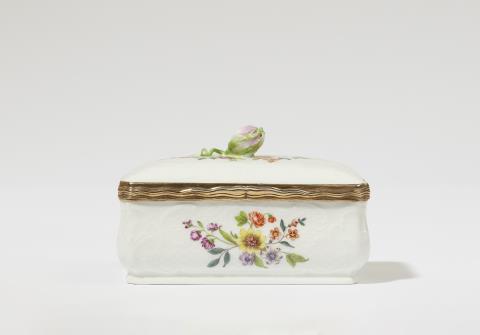
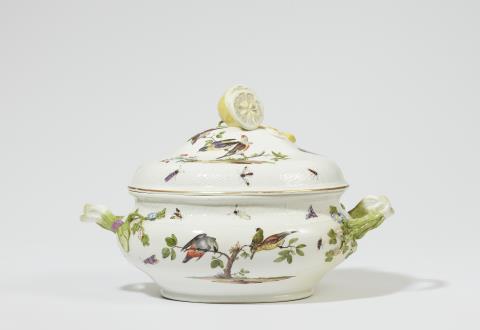
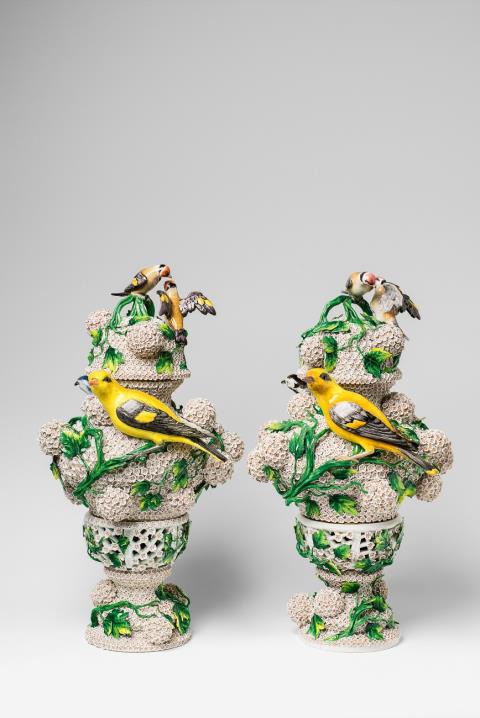
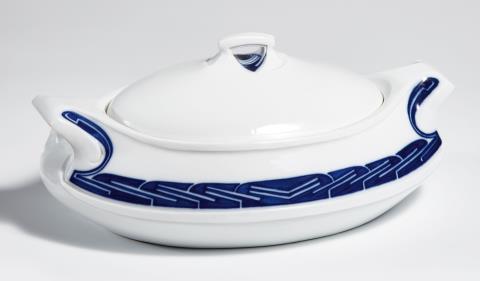
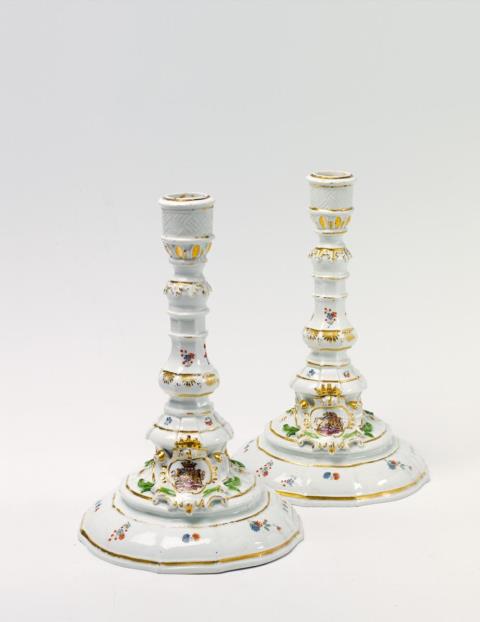
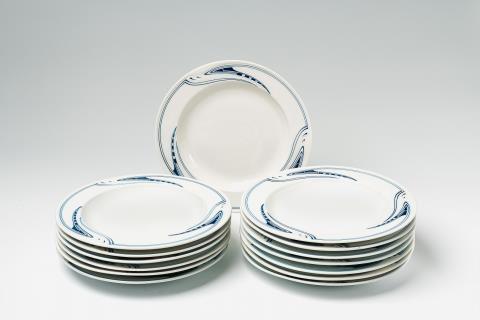
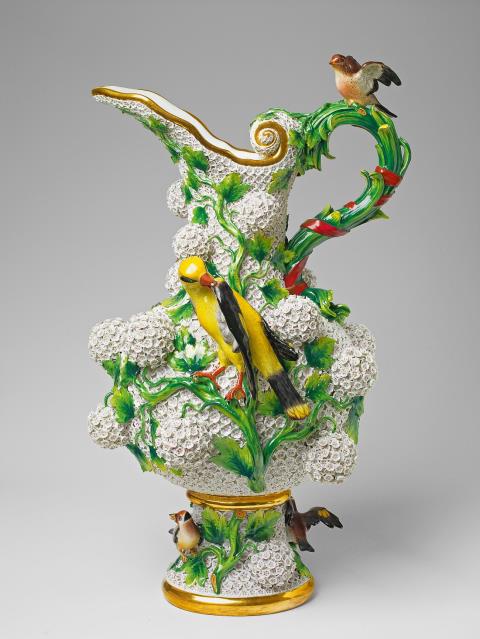
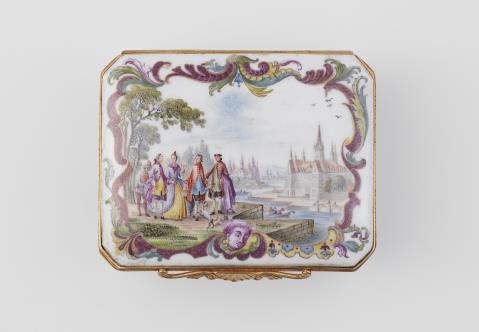
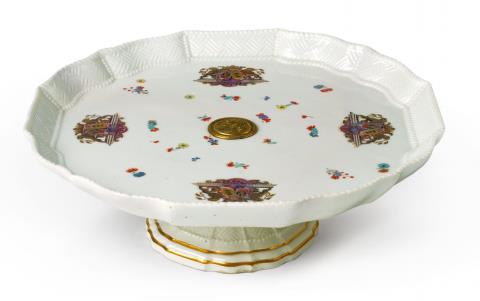
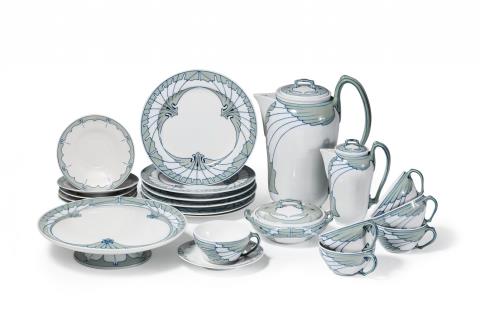
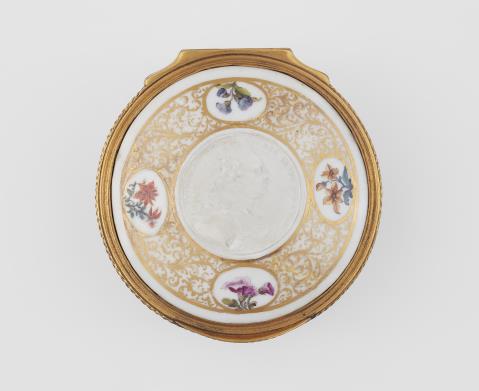
Meissen Royal Porcelain Manufactory - Works that have already been sold at Kunsthaus Lempertz: